
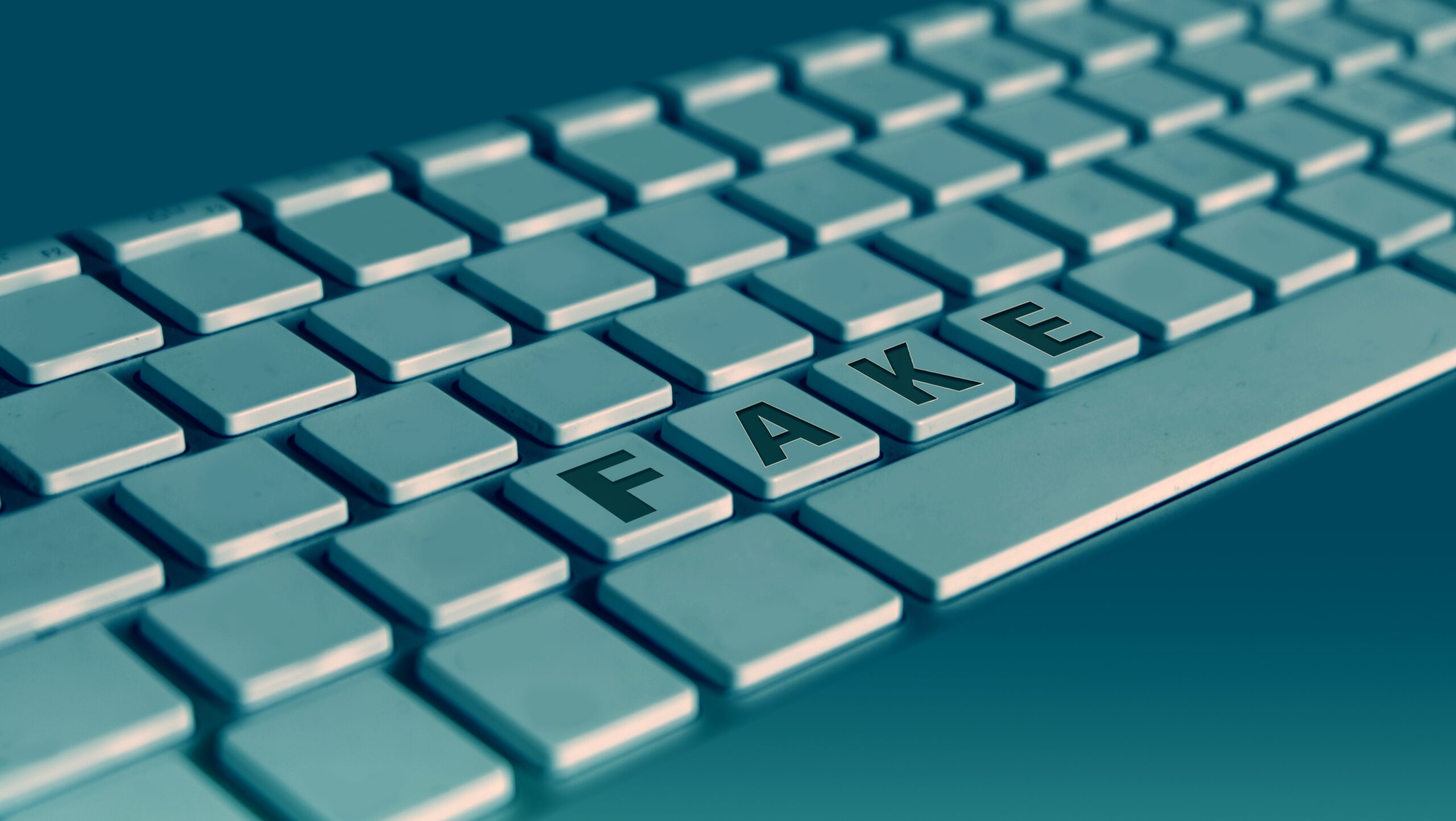
Deepfakes and other AI-generated content must be labelled, under new EU rules on artificial intelligence which have recently come into force. Companies are now obliged to make it clear if customers are dealing with an AI chatbot as opposed to a human.
The EU AI Act became law two years ago but its provisions are taking effect on a phased basis.
The Act introduces transparency obligations on providers and deployers of certain AI systems, under which users must be informed when they are interacting with an AI system or where content is AI-generated.
While these obligations apply from August 2nd of this year, the AI Omnibus provisional agreement of May 2026 grants generative AI systems already on the market before that date until December 2nd 2026 to meet the machine-readable marking requirement under Article 50(2).
The European Commission recognised that there is a difference between creative expression and malicious use. Consequently, synthetic content intended for fiction, satire or art is generally exempt from those disclosure obligations. For example, a widely circulated AI image of the Pope in a puffer jacket was regarded as a joke however other applications, such as creating explicit images of celebrities can be used to disseminate disinformation during conflicts, are potentially destructive.
To counter those risks, the EU has proposed a voluntary code of conduct. This framework encourages the use of visible labels and machine-readable tags to inform users when content is artificial.
These obligations apply to both AI developers and professional users, although private individuals are exempt. The strategy is based on a collaborative network involving social media sites, fact-checkers and technology companies to implement detection tools.
Also this month, the newly established AI Office of Ireland comes into operation.
“It is a milestone in terms of the development of artificial intelligence across this island,” said Niamh Smyth, Minister of State with responsibility for AI.
“The National AI Office will work with the 15 competent authorities, the existing regulators that are in place, to ensure that companies are AI compliant and to ensure that citizens have a regulatory framework here in Ireland.
“If people have complaints or concerns around AI, now with the National AI Office established, they have somewhere to go to with those complaints.”
The AI Office of Ireland is an independent statutory body established under the Regulation of Artificial Intelligence Act 2026 and will act as the central coordinating body for the implementation of the EU Artificial Intelligence Act in Ireland.
NB – This is a guide for information purposes only and does not constitute legal advice. If you have an issue requiring legal advice, please contact any of the team at Nolan Farrell & Goff LLP, whose numbers can be found on our website www.nfg.ie, or email info@nfg.ie.


